18th Century Lesbian Cottage-Core
Tuesday, June 9, 2026 - 11:00
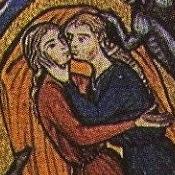
There are many angles to be had on the ladies of Llangollen. This article looks specifically at the aesthetics of the rural cottage retreat as an element both for romantic friendship and Romanticism in general.
Major category:
Full citation:
Reynolds, Nicole. 2010. “Cottage Industry: The Ladies of Llangollen and the Symbolic Capital of the "Cottage Ornée"” in The Eighteenth Century, Vol. 51, No. 1/2: 211-227
In the 18th century, the ideals around female romantic friendships included the image of a rural retirement from society. Eleanor Butler and Sarah Ponsonby, the “Ladies of Llangollen,” not only achieved this goal but helped promulgate the image of “cottage life” through extensive renovations, interior and exterior decoration, and the development of the grounds.
While the article notes the women’s place as icons of romantic friendship (and the discourse around whether it is appropriate to categorize them as lesbians), it focuses strongly on the relationship between the Romantic literary movement, cottage culture, and their place in it.
The Ladies, by embracing the performance of rural bourgeois domesticity that their home represented, were able to deflect much of the anxiety their history and personal lives might otherwise have generated. This performance–which included shared intellectual interests, extensive correspondence and memoirs, and a carefully-curated accessibility to visitors and tourists—helped construct their public image, as well as contributing to an interest in rural “romantic” tourism in Wales.
The motif of rural life representing virtue and morality was being generally embraced as an esthetic by the middle and upper classes, often in the form of artificial follies, but also in cottage-style architecture, enhanced into the “cottage ornée” by decoration. Architectural pattern books reflect this interest, offering varied floorplans and options for decoration that bear only a remote connection to the working class buildings that inspired them.
The unusual domestic arrangements of Butler and Ponsonby did not entirely escape scrutiny, but their embrace and display of “cottage life” helped to deflect it. Their connections with prominent figures such as lady Francis Douglas and even Queen Charlotte were bolstered by gifts of albums and architectural plans of their home.
Their performance of the ideal of “rural retreat” was not without contradictions, especially in opening their lives up, not only to their extensive literary friend circles, but to more casual tourists. [Note: Followers of and Lester may be aware that she was one of those casual tourists, and meditated afterwards on the nature of Butler and Ponsonby’s relationship.]
Time period:
Place:
Event / person:
View comments (0)